
Hospital Jobs
How to Become a Pharmacy Technician: Requirements, Skills & Career Path Full Time
Stuck After Matric? Here’s a Two-Year Path Into Healthcare
If you have just finished matric with science and everyone around you is asking the same question — “ab aagay kya karna hai?” — you are not alone. Medical college is out of reach for most students, and many families cannot afford four or five years of university fees. That is exactly where the pharmacy technician path quietly becomes one of the most practical options in Pakistan.
A pharmacy technician is the trained professional who works alongside pharmacists in hospitals, retail pharmacies, and medical stores — dispensing medicines, managing stock, and keeping records. The qualification is a two-year Category-B diploma regulated by the pharmacy councils, and it opens doors to real, paying jobs in a sector that never stops hiring: healthcare.
This guide walks you through everything, step by step: what a pharmacy technician actually does day to day, the exact eligibility rules, how the diploma works, how to register, where the jobs are, how to apply honestly, what salaries look like, and the scams you need to avoid.
What a Pharmacy Technician Actually Does
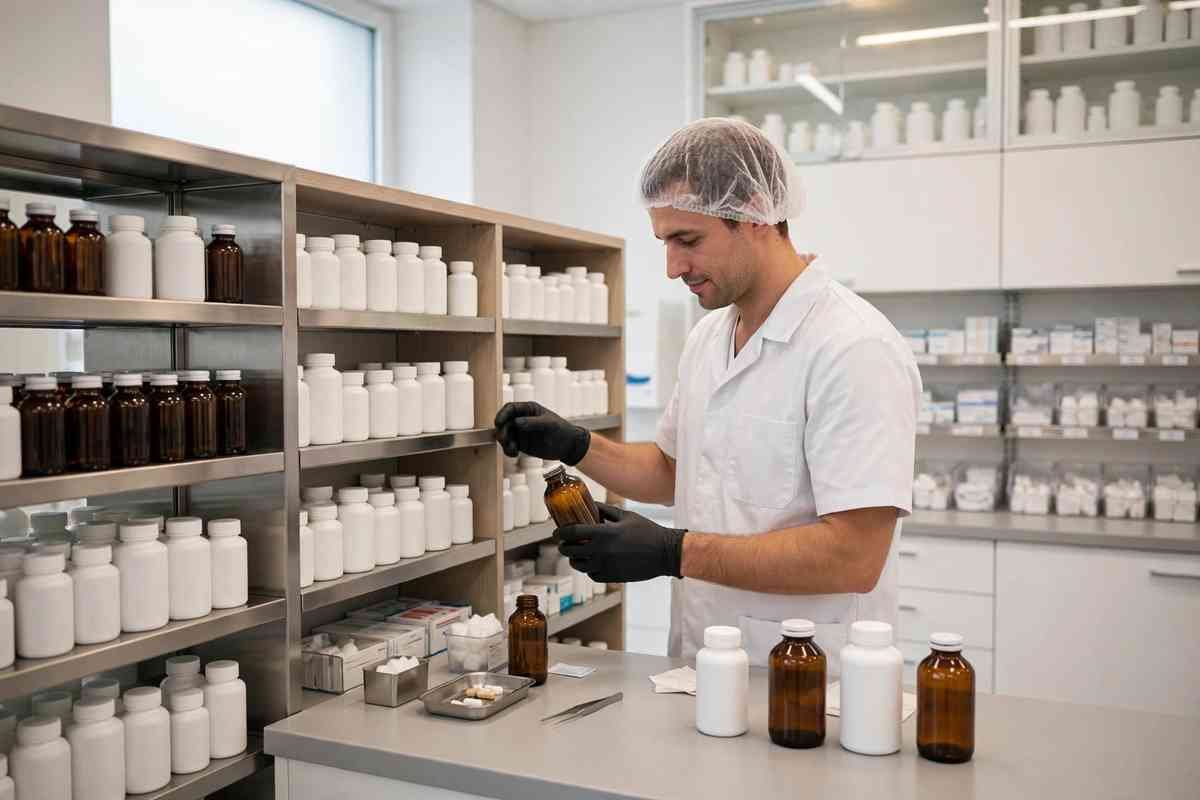
Forget the vague idea of “working at a medical store.” In a real hospital pharmacy — take the Aga Khan University Hospital, which regularly hires pharmacy technicians through verified postings — the daily work is structured and responsible. Based on actual job descriptions published by major hospitals, a pharmacy technician typically:
- Labels, dispenses, and distributes medicines under the supervision of a licensed pharmacist
- Keeps accurate records of drug expiry dates for everything stocked in the pharmacy
- Helps manage inventory — receiving stock, processing requisitions, and handling vendor replenishment requests
- Replenishes ward and floor stock, IV drips, and emergency drug slips in hospital units
- Collects unused or expired medicines from nursing units for safe disposal or credit
- Assists with sterile and non-sterile compounding work according to hospital protocols
- Handles billing, prescription data entry, and record-keeping in the hospital’s systems
Notice the pattern: you are not diagnosing patients or prescribing anything. That is the pharmacist’s job. Your job is the technical backbone — making sure the right medicine reaches the right patient, safely and on time.
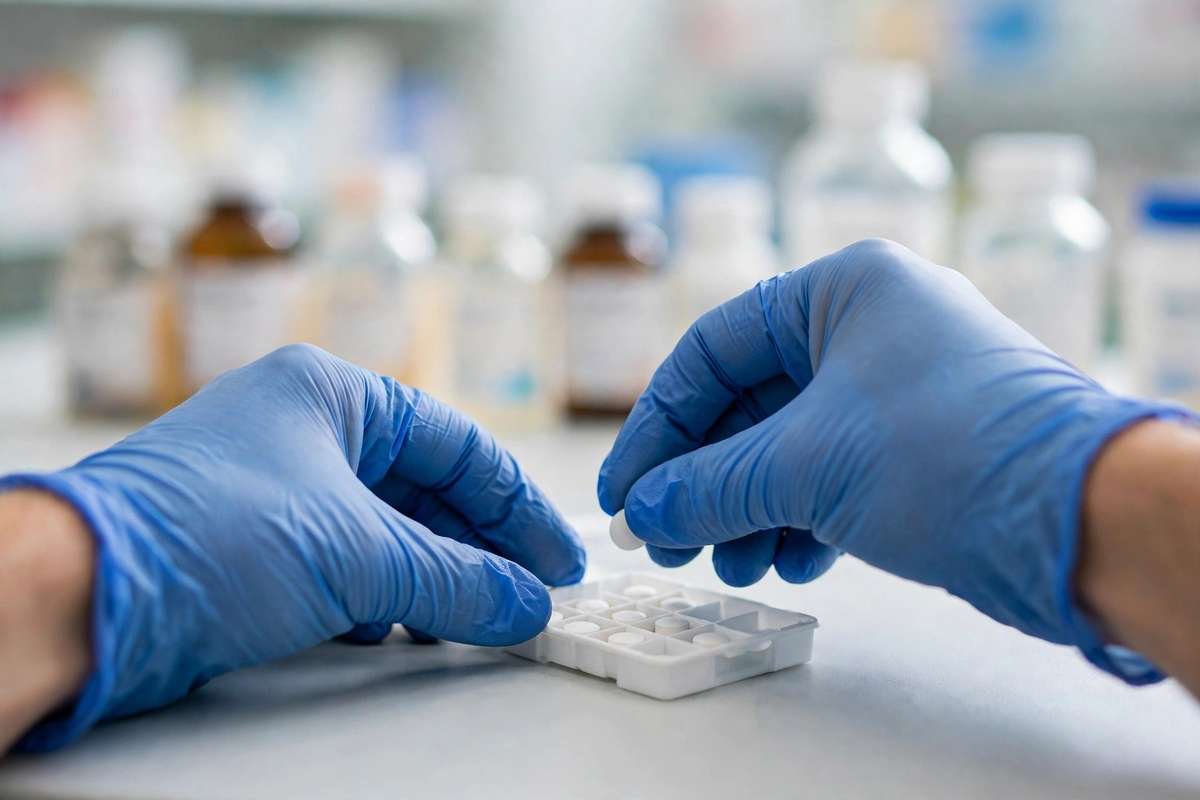
How to Become a Pharmacy Technician in Pakistan: Step by Step
The route is regulated, which is good news — it means the qualification is recognized everywhere in the country. Here is the complete process.
Step 1: Pass Matric with Science
The minimum academic requirement for registration in the pharmacy technicians’ register (Register “B” under the Pharmacy Act, 1967) is a Matriculation with Science from a Pakistani board. Some institutes specifically ask for biology, physics, and chemistry, with around 45% marks in the science subjects combined. A few private colleges accept matric with computer science too, but the safest route is matric with biology — it keeps every door open, including the medical-store license path.
There is generally no strict age limit for the diploma itself, which makes it a genuine second-chance option for people who left studies years ago.
Step 2: Enroll in a Recognized 2-Year Diploma Program
The diploma is a two-year Category-B pharmacy technician program supervised by the provincial pharmacy councils — in Punjab, the Punjab Pharmacy Council. The course is split into two parts, with the Part-I and Part-II examinations held about a year apart.
Subjects cover the real foundations of the work: pharmaceutics, dispensing and community pharmacy, pharmacology, anatomy, physiology, pharmaceutical chemistry, microbiology, pharmacognosy, and basic computer skills. Colleges must have proper laboratories for these subjects — that is actually a council requirement for the institute, so a college with no labs is a red flag.
How to pick a college: only enroll in an institute recognized by the relevant pharmacy council. Ask to see the recognition letter. Fees vary widely between institutions — education guides report totals anywhere from around Rs. 60,000 to over Rs. 100,000 for the two years, excluding exam and verification fees — so compare at least two or three colleges before paying anything. Never pay the full fee in cash without a proper receipt.
Step 3: Clear the Council Examinations
The council conducts the theory and practical examinations. The current passing standard is 50% in each paper. Take the exams seriously — unlike some short courses, this is a regulated qualification, and the result card is what everything else depends on.
Step 4: Get Registered
After passing, you apply for registration with the pharmacy council. The registration documents typically include your diploma certificate, matric certificate copies, result cards, photographs, CNIC copies, and a character certificate from your institute, along with the prescribed fee. Keep every original document safe — you will need them again for job applications.

Eligibility and Documents: A Quick Checklist
- Education: Matric with Science (biology preferred; ~45% in science subjects at many institutes)
- Age: No strict upper age limit at most institutes
- Documents for admission: Matric result card/certificate, CNIC or B-Form, photographs, and the institute’s admission form
- Documents for council registration: Diploma certificate, both years’ result cards, matric certificate copies, CNIC copies, photographs, character certificate, specimen signatures
- Fees: Confirm the full two-year fee structure in writing before enrolling; exam and verification fees are usually separate
Where Do Pharmacy Technicians Work?
This is where the career gets interesting, because the diploma qualifies you for several different workplaces:
- Hospital pharmacies — large private hospitals (Aga Khan University Hospital, Shifa International, Shaukat Khanum) and government hospitals hire pharmacy technicians for dispensing, inventory, and compounding support.
- Retail pharmacies and medical stores — chains like DVAGO, Fazal Din’s, and hundreds of independent pharmacies need trained dispensers.
- Your own medical store — the Category-B qualification is also the recognized route for getting a medical store license, which is why many technicians eventually open their own shop.
- Pharmaceutical companies — in distribution, warehousing, quality control support, and sales support roles.
- Clinics and diagnostic centers — smaller setups that need someone to manage their medicine stock properly.

How to Find and Apply for Pharmacy Technician Jobs
Here is the honest, practical route — no shortcuts, no fake promises:
- Start with the big job boards. Search “pharmacy technician” on Rozee.pk and Indeed Pakistan. Major hospitals post technician vacancies there — Aga Khan University Hospital, for example, has advertised Technician (Pharmacy) positions for its hospitals in Karachi, Hyderabad, and its outreach pharmacies through Rozee.
- Check hospital career pages directly. The Aga Khan University’s official careers portal at aku.edu/careers lists openings across its hospitals and outreach services. Shifa International and other large hospitals have similar portals. Applying through the official portal is always safer than through a random Facebook post.
- Prepare a proper CV. One page is enough: your diploma, council registration status, any internship or practical training, and contact details. Mention specific skills — dispensing, inventory management, expiry tracking, compounding assistance.
- Walk in with your documents. For retail pharmacies and smaller hospitals, visiting in person with your CV and original documents still works in Pakistan. Ask for the pharmacy in-charge or HR.
- Use your institute’s network. Recognized colleges often have placement contacts with hospitals and pharmacy chains. Ask your teachers — this is one of the most underused routes.
A note on honesty: apply only to real, verifiable postings. If a “job” asks you to pay a fee to get hired, it is not a job — walk away. More on scams below.
What About Salary?
Let us be straight: most hospital and pharmacy job postings in Pakistan do not publicly disclose salaries, and any website giving you an exact figure as a promise is guessing. What can be said honestly:
- Education guides in Pakistan report entry-level earnings for diploma holders roughly in the Rs. 30,000–50,000 per month range — treat this as a rough example from those sources, not a guarantee.
- Large private hospitals (AKUH, Shifa) generally pay better than small retail pharmacies, and pay rises with experience, night-shift allowances, and additional certifications.
- Technicians who open their own medical store have uncapped earning potential — but also business risk, which is a separate decision.
When you see a posting, the salary question is best asked directly at the interview stage. Never accept a job that will not put the salary in the offer letter.
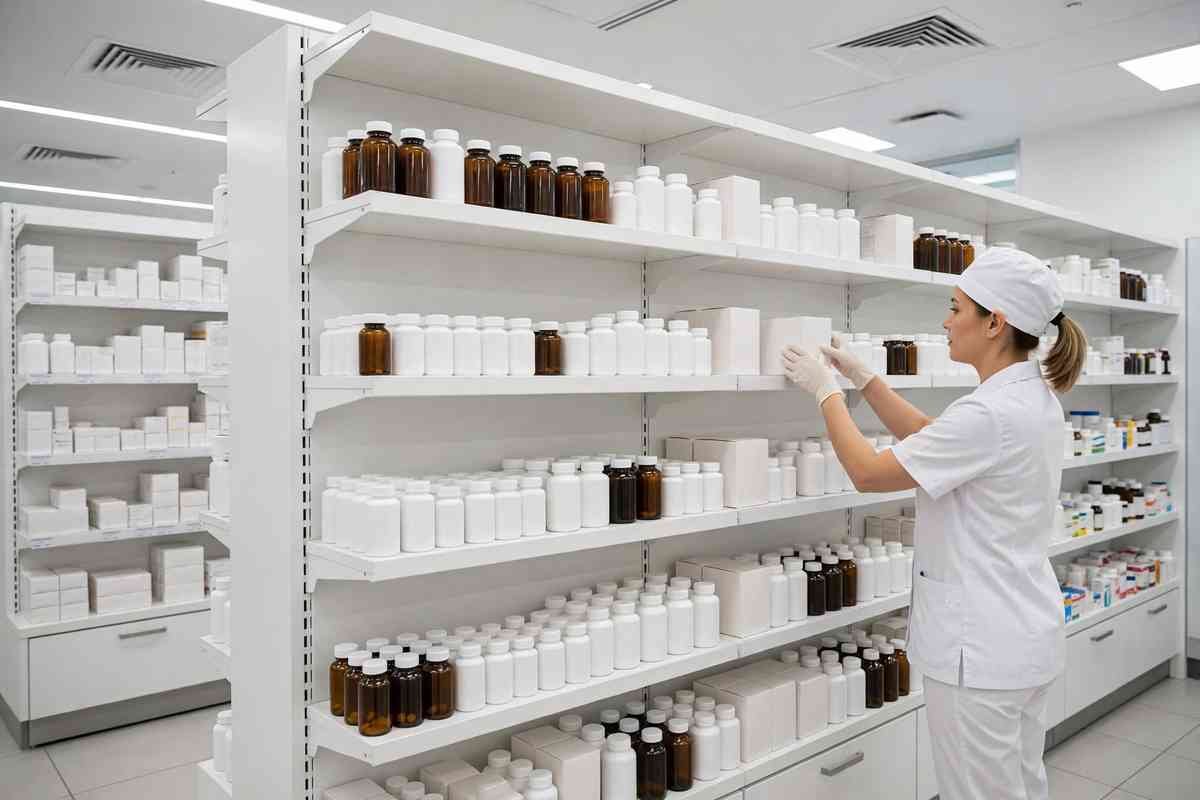
Common Mistakes to Avoid
- Enrolling in an unrecognized institute. If the college is not recognized by the pharmacy council, your diploma may be worthless for registration. Verify first.
- Confusing “pharmacy technician” with “pharmacist.” A pharmacist holds a 5-year Pharm-D degree (Category-A). You are Category-B. Using the pharmacist title without the degree is misrepresentation — and employers check.
- Skipping the council registration. The diploma alone is half the job; registration is what makes you officially recognized.
- Paying agents for jobs. Legitimate hospitals never charge application or “confirmation” fees.
- Ignoring practical skills. Employers value hands-on competence — accurate dispensing, expiry management, inventory systems — more than crammed theory. Take your practical training seriously.
Scam Warning: Read This Before You Pay Anyone
This is not hypothetical. The Punjab Pharmacy Council itself has issued public notices warning that fraudsters on Facebook and WhatsApp groups — using names like “Punjab Medical Faculty” or “Pharmacy Assistant” — offer students pass result cards and renewal certificates for money. The council states clearly that these offers are totally false and fake, have no connection with the council, and that the people behind them are reported to the FIA’s cybercrime wing.
The rule is simple: your result comes from the council’s examinations and its official portal — never from a WhatsApp number. Anyone offering you a guaranteed pass, a ready-made diploma, or a registration certificate for cash is running a scam. Report them; do not pay them.
Related Career Guides on TopicEarn
If healthcare careers interest you, these guides go deeper into neighboring paths:
- Clinical Nurse Jobs in Karachi — how nursing careers work at major hospitals like AKUH
- Public Health Officer Jobs — community health roles in the development sector
- Healthcare Specialist Careers — patient-care roles in modern hospitals
- TopicEarn Home — browse all job guides and listings
The Bottom Line
Becoming a pharmacy technician in Pakistan is a realistic, regulated, two-year path: matric with science, a recognized Category-B diploma, council exams at a 50% passing standard, and registration. From there, hospitals, retail pharmacies, pharma distribution, or even your own medical store are all genuine options.
It will not make you rich overnight, and anyone who promises that is lying. But it is honest, skilled work in a sector that Pakistan will always need — and for a student standing at the crossroads after matric, that counts for a lot. Start by verifying a recognized college near you, and take the first step this admission season.